Find My Charism
Praying with someone
You ask whether a person who is ill would welcome prayer and listen to what they wish to bring before God.
Bringing the needs of sick people to Christ in prayer for healing.
Wondering how this gift may show up in your life? Discover your charisms →
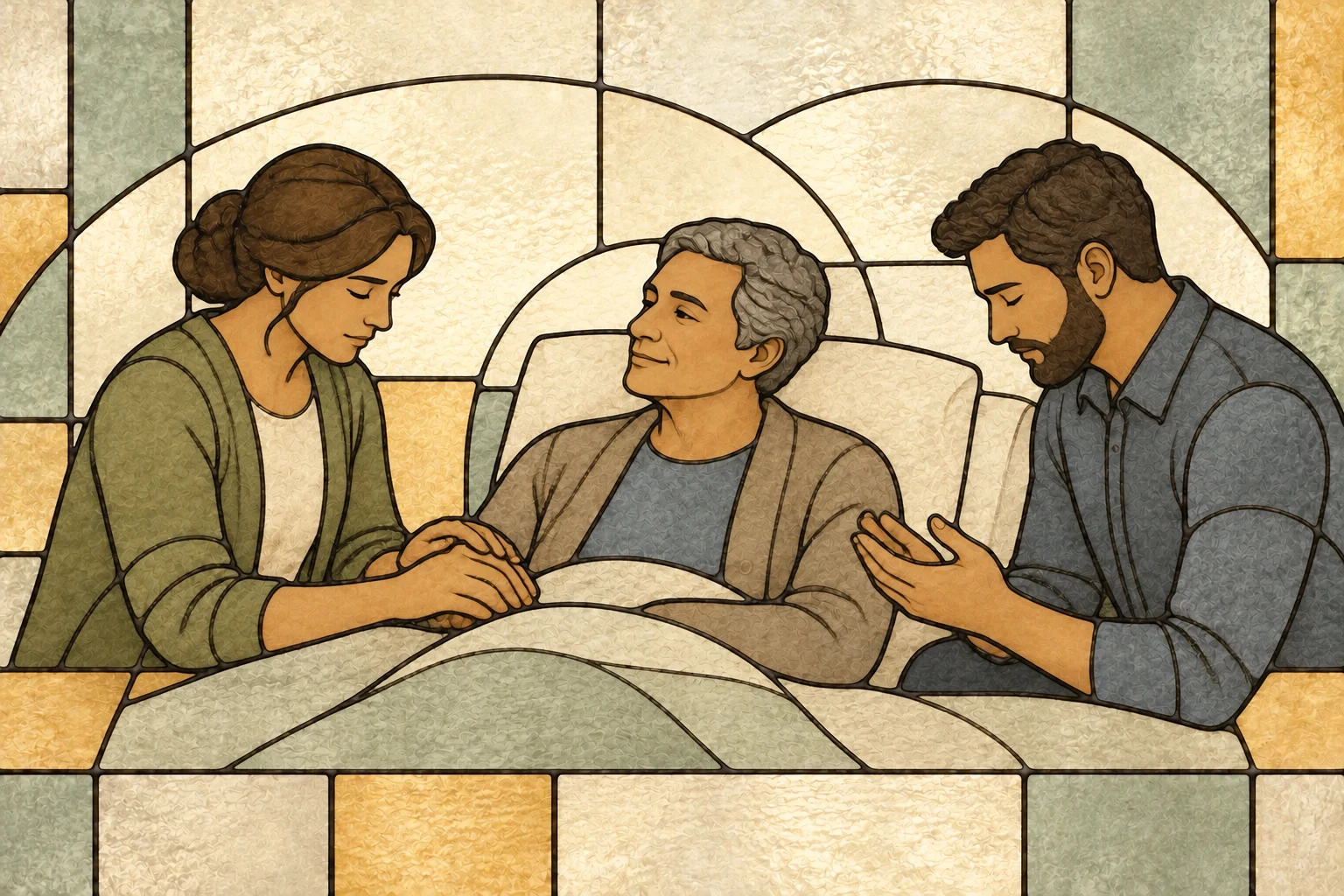
Healing brings the needs of people who are sick to Christ in prayer for their restoration. Through this gift, the Holy Spirit can work through someone’s prayer to bring healing and show Christ’s love. Compassionate care accompanies that prayer; comfort by itself does not establish a particular healing charism. Medical care and the sacraments remain part of the Church’s care. Not every illness is cured, even with deep faith. Continued illness does not mean someone failed to believe.
These are ways to share in the Church’s care for sick people as you discern. Prayer, comfort, and care are valuable even when they do not establish a special charism of healing.
You ask whether a person who is ill would welcome prayer and listen to what they wish to bring before God.
You continue to care when recovery is slow or the person’s condition changes.
You help someone receive appropriate support while bringing their needs to prayer.
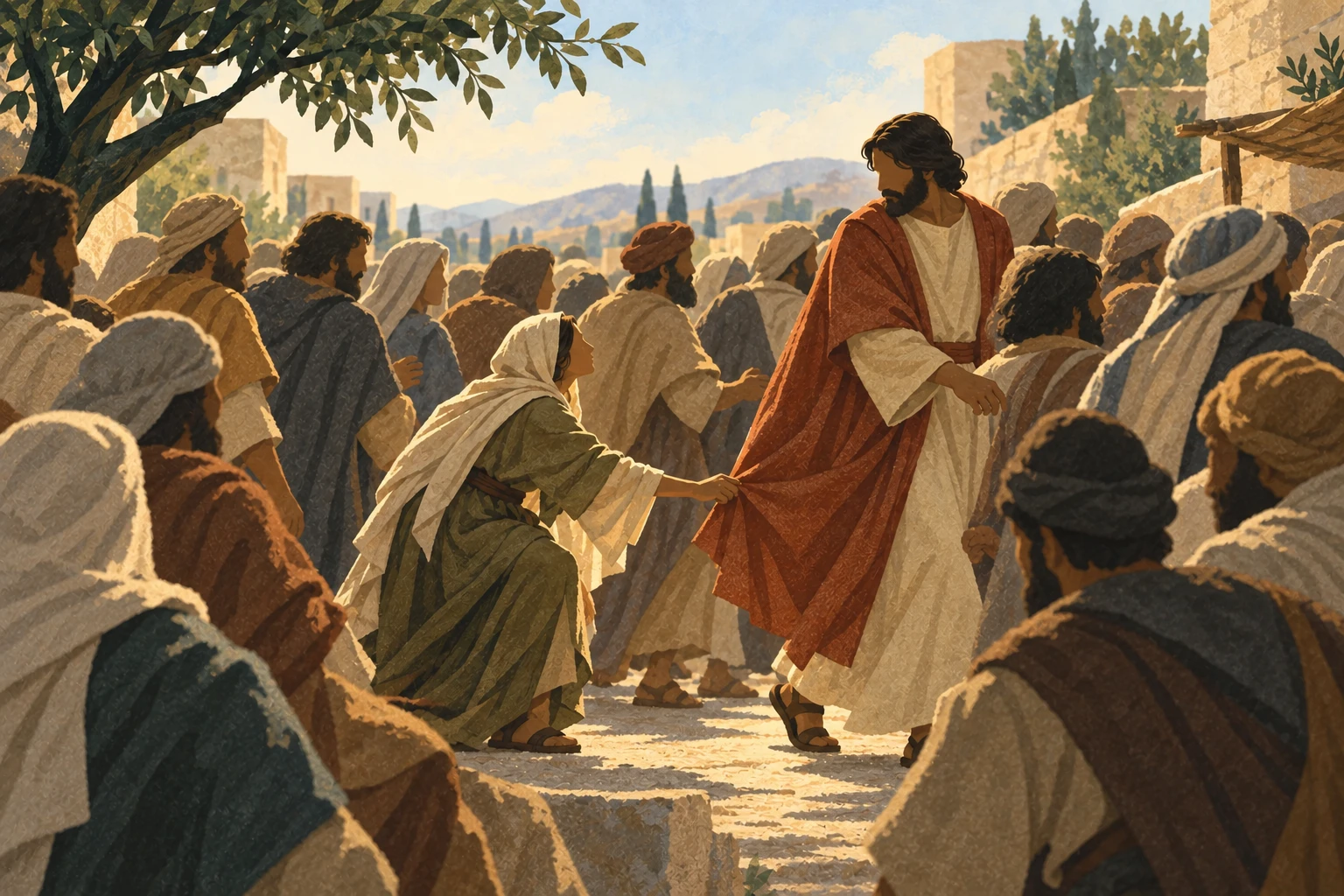
The image at the top of this page shows a woman reaching through a dense crowd to touch Jesus’ cloak. She has suffered from hemorrhages for twelve years. When she is healed, Jesus stops to discover who touched him. She comes forward and tells him the whole truth, and he addresses her as daughter.
Daughter, your faith has saved you. Go in peace and be cured of your affliction.
Even amid the crowd, Jesus attends to the woman herself as well as her illness. He listens to her story and sends her forward in peace. Through the gift of healing, the Holy Spirit draws us into Christ’s loving care for those who suffer. We pray for their healing, listen to their needs, and help them know they are loved.
Paul names gifts of healing among the manifestations of the same Spirit, given for the benefit of others. The gift belongs to God’s action and serves the whole body.
Charisms are gifts of the Holy Spirit for building up the Church and serving others. Love is their measure, and their discernment includes the guidance of the Church’s pastors.
The Church recognizes a charism of healing and continues Christ’s care for the sick, while acknowledging that not all illnesses are cured.
These ministries and programs may offer ways to serve through Healing. Speak with parish staff about where help is needed, how to prepare, and the parish’s volunteer process.
Join the parish’s prayer for the needs of its members and the wider community.
Offer companionship and practical care through the parish’s ministry to people who cannot easily take part in parish life.
Ministry-formation workshops from Franciscan University’s Catechetical Institute for catechists, parish teams and other people serving the Church. Ask your parish or diocese about available formation and access.
Bring these experiences to prayer, Mass and the sacraments, and conversation with a priest or trusted guide in the faith. Look over time for love of God and neighbor, faithfulness to Church teaching, and the good of those you serve. Joy, difficulty, and others’ feedback can help you recognize patterns. Distinguish what a person actually reports after prayer from what you hoped or assumed would happen. If no example comes to mind, begin with the experience suggested below.
Recall praying with someone who was sick. What did they actually report afterward, and what remained uncertain about what had happened?
When recovery does not come, what helps you keep praying and caring without placing blame on the person or yourself?
Something to try: Speak with a parish prayer leader about learning to pray with sick people. With someone’s welcome, pray simply for their needs. Listen to what they wish to share afterward and continue practical care, respecting medical treatment and privacy. Bring questions about the experience to your guide.
Come, Holy Spirit. Bring your healing mercy to those who suffer in body, mind, or spirit.
Teach me to pray with trust, listen with tenderness, and remain faithful in care.
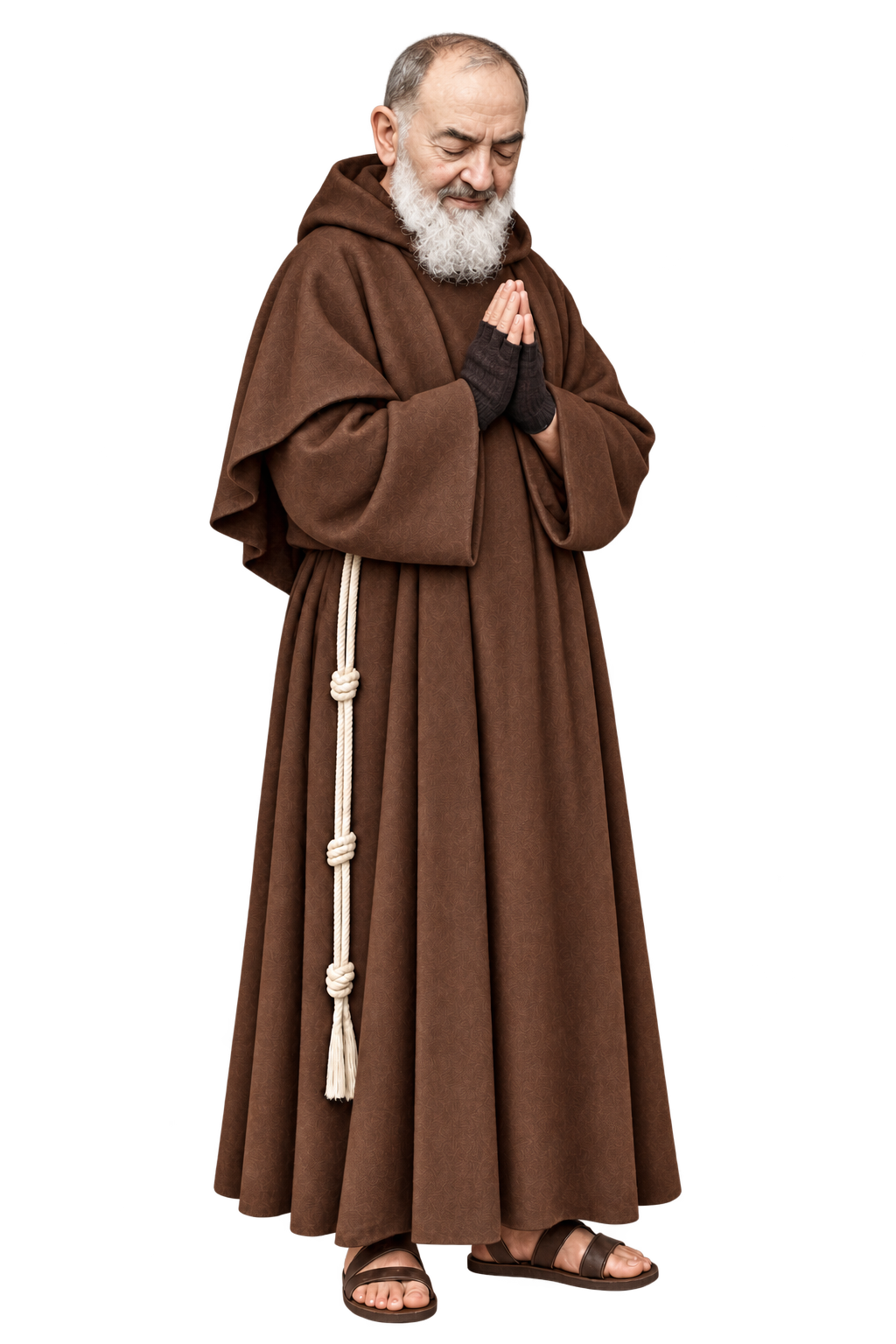
Saint Padre Pio, pray for me.
Through Christ our Lord. Amen.
Padre Pio was an Italian Capuchin priest who spent much of his life at San Giovanni Rotondo, welcoming people to Confession and praying for those who were sick. He also founded the Casa Sollievo della Sofferenza—House for the Relief of Suffering—a hospital serving the community. His life brings prayer for healing together with sacramental ministry and practical care for the whole person.
More about his life ↗